What is the Gut-Brain Microbiome axis?
The gut-brain microbiome axis refers to the communication network that links the bacteria in our digestive system to the brain, shaping many aspects of how we feel and function. We know these microbes assist with digestion and help us “produce essential nutrients” (Vernimmen, 2024), yet growing research shows they also influence “our mood, our mental health, and how we perform on cognitive tests” (Vernimmen, 2024). Scientists describe this ongoing interaction as “bidirectional communication” (Halverson and Alagiakrishnan pp. 1), meaning the gut and brain are constantly sending signals to each other rather than functioning as separate systems. Because the microbiome behaves like a “virtual organ” (Halverson and Alagiakrishnan pp. 1), it communicates through multiple biological pathways,
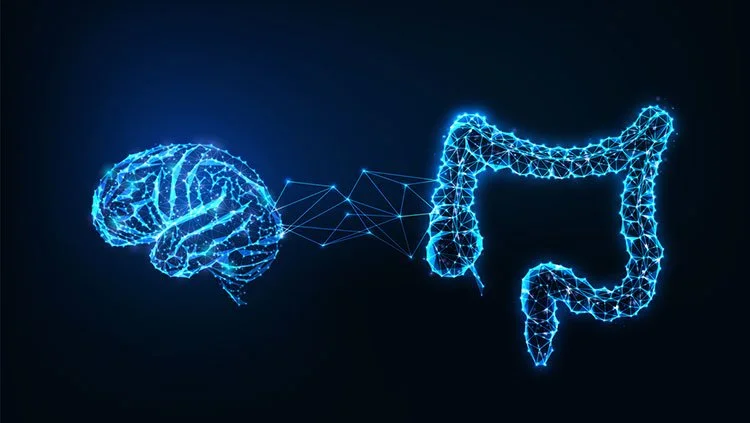
including the vagus nerve, neurotransmitters, immune and inflammatory signaling, microbial by products, neuroendocrine hormones, and the stress response pathway (Halverson and Alagiakrishnan pp. 1).
Evidence for this connection is seen in research by John Cryan, where gut microbes from individuals with depression were transplanted into rodents, leading the animals to display “comparable symptoms” (Vernimmen, 2024). This suggests that bacterial communities in the gut have the power to influence brain function and emotional behavior. When the microbiome is balanced, it supports stable mood, cognitive clarity, and healthy stress regulation. However, when the microbiome becomes disrupted, a state known as “dysbiosis” (Halverson and Alagiakrishnan pp. 1), harmful bacteria can dominate, increasing the risk of illness and inflammation. Diet, antibiotics, stress, and lifestyle choices are major factors that can disturb this balance, weakening gut integrity and allowing toxins such as LPS Lipopolysaccharide to enter the bloodstream. Once circulating, LPS can spark widespread inflammation that interferes with brain signaling, neurotransmitter production, and emotional regulation, which may contribute to anxiety, depression, and other cognitive or mood related disorders.
Altogether, this shows that the gut and brain are in constant conversation, like two friends who influence each other’s moods. Nurture the microbes, and they tend to nurture you back. Feed them poorly, stress them out, or knock them off balance, and they may send messages that ripple through both body and mind. In simple terms, a happy gut often means a happier brain, making our microbes tiny but powerful partners in how we think, feel, and function every day.