How to Build and Maintain a Thriving Microbiome
A thriving gut microbiome is one of the strongest foundations of overall health. The digestive tract houses “around 100 trillion bacteria” and other microorganisms that influence digestion, immune function, metabolism, and even mood (Guy, 2025). These microbes help break down food, produce key nutrients, support the intestinal barrier, and communicate with the brain through chemical signaling pathways that affect stress response, sleep, and emotional balance. A rich and diverse microbiome also helps regulate inflammation, protects against harmful pathogens, and assists in maintaining stable blood sugar and hormone levels. When this microbial environment is diverse and well supported, it strengthens the body in measurable ways, promoting energy balance, mental clarity, efficient digestion, and overall resilience.
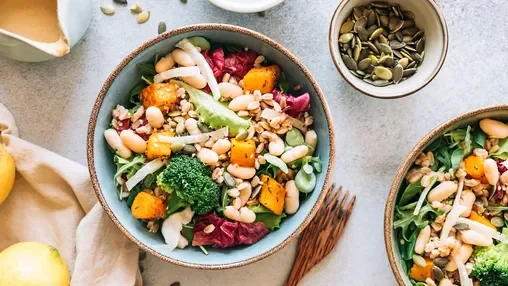
And if you are curious about how to give your gut the love and support it deserves, keep reading because the simple steps below can help your microbiome flourish one choice at a time:
1. Dietary Diversity
Microbial ecosystems thrive on nutritional variety. Diets containing "30 or more plant foods per week" are consistently associated with higher bacterial diversity compared to those with limited botanical exposure (Kadey, 2025). The mechanism is straightforward: each plant provides distinct fibers, polyphenols, and resistant starches, feeding different bacterial groups and preventing dominance of a single strain.
A simple way to start is to turn meals into a colorful challenge. Aim to eat the rainbow every week, mix new fruits, vegetables, herbs, seeds, and grains, and let your plate look like a botanical party for your microbes.
2. Prebiotic Intake
Prebiotics serve as primary fuel for beneficial microbes. These nondigestible fibers are found in foods such as legumes, whole grains, garlic, leeks, asparagus, nuts, and seeds. “Resistant starch” present in cooked and cooled potatoes, rice, and pasta (Kadey, 2025) enhances butyrate formation, strengthens tight junctions, and counteracts inflammatory dysregulation. A diet chronically low in plant fiber predictably reduces microbial population density.
A playful way to boost prebiotics is to turn your kitchen into a fiber laboratory. Try adding chickpeas to salads, sprinkle nuts and seeds on breakfast bowls, and batch cook potatoes or rice to enjoy chilled in refreshing salads. Your microbes will cheer for the extra menu options.
3. Fermented Foods and Live Cultures
Fermented foods supply live bacterial species capable of populating the intestine and restoring balance to compromised gut environments. Regular intake of "yogurt with active cultures, kefir, kombucha, kimchi, sauerkraut, miso, or tempeh" correlates with measurable increases in microbial variety as well as decreased inflammatory biomarkers (Kadey, 2025). Frequency is more impactful than volume and consistent exposure sustains microbial turnover.
A fun way to boost fermented foods is to make it a daily habit like a tiny ritual. Sip kombucha with lunch, add a spoonful of kimchi or sauerkraut to bowls or tacos, swirl yogurt into smoothies, or stir a little miso into warm broth. Think of it as inviting friendly bacteria to move in and stay a while.
4. Probiotic Supplementation
Supplementation can be beneficial when microbiome stability is disrupted by antibiotics, illness, or chronic stress exposure. Evidence suggests that daily intake ranging from "10 to 20 billion CFUs"(Guy, 2025) supports baseline maintenance, while higher concentrations near "50 billion CFUs" (Guy, 2025) assist in microbial recolonization following disruption. Probiotics are most effective when paired with prebiotic substrates.
An easy way to begin is to think of probiotics and prebiotics like teammates. Choose a high quality supplement and pair it with fiber rich foods such as oats, apples, bananas, or legumes. Your microbes thrive when both players show up to the game!
5. Limiting Highly Processed Foods
Ultra processed foods, including those containing artificial sweeteners, may impair microbial balance. Non nutritive sweeteners such as "aspartame, sucralose, saccharin and stevia" have been associated with reduced populations of beneficial bacteria and increased intestinal toxins (Kadey, 2025). Diets emphasizing whole foods, natural fibers, and minimally processed ingredients are more protective of microbial density.
A simple way to shift in a positive direction is to make whole foods feel exciting. Try swapping packaged sweets for fresh fruit bowls, blend frozen berries into smoothies, build colorful whole grain lunches, or enjoy dark chocolate with nuts as a treat. The goal is not restriction but replacing less nourishing choices with vibrant delicious ones your microbes will celebrate.
6. Stress Regulation
Chronic stress elevates cortisol and disrupts microbiome stability. "High cortisol” (Guy, 2025) exposure weakens barrier integrity, increases intestinal permeability, and shifts microbial composition in favor of inflammatory strains. “Stress gets into the belly” (Kadey, 2025). Behavioral interventions including breath pacing, meditation, walking, and mindful eating support microbial resilience.
Create small daily pauses. Step outside for fresh air, place a hand over your belly and breathe slowly, stretch your shoulders, or enjoy a mindful cup of tea without distraction. These acts may feel small, yet your microbes notice and respond with gratitude.
7. Physical Activity
“Regular bouts of exercise”(Kadey, 2025) enhance the gut ecosystem by strengthening beneficial bacterial populations. It increases the abundance of "butyrate” (Kadey, 2025) producing bacteria, improving metabolic flexibility and lowering systemic inflammation. Physical activity functions as microbial conditioning rather than simply calorie expenditure.
Dance in your kitchen, take nature walks, try a new fitness class, stretch while music plays, or go for a sunset swim. Movement can be fun, playful, and something your microbes cheer for with every step.
8. Sleep Quality
Microbial populations fluctuate alongside “circadian rhythm” (Guy, 2025). Research connects "short or fragmented sleep" (Kadey, 2025) with reduced bacterial diversity, impaired metabolic signaling, and increased dysbiosis prevalence. Sleep regularity supports microbial structure and recovery.
Dim screens, sip calming tea, stretch lightly, or read something peaceful before bed. Treat sleep like a gift to your microbes and they will return the favor with energy, clarity, and a calmer mind in the morning.
9. Environmental Exposure
Over sterilization reduces microbial introduction and weakens long term gut training. "High sanitizer use especially in childhood" (Guy, 2025) limits environmental microbe access and restricts natural colonization patterns. Balanced hygiene including contact with soil, nature, and companion animals strengthens microbial adaptability.
Dig your hands into garden soil, walk barefoot on grass, spend time outdoors with pets, or take a hike where fresh air and friendly microbes are abundant. Think of it as letting your gut meet new friends in the wild.
10. Avoid Antibiotic Usage
Antibiotics play a valuable role in clearing bacterial infections, but their effect on the gut extends beyond the intended target. In eliminating harmful microbes, they also reduce the number of beneficial species, lowering overall microbial diversity (Guy, 2025). Other medications, including NSAIDs, proton pump inhibitors, antacids, and hormonal birth control, can influence gut composition by shifting bacterial balance and weakening the microbiome’s stability over time (Guy, 2025). To support recovery after medication use, individuals may benefit from replenishing healthy gut bacteria through “probiotic supplementation” (Kadey, 2025).
Replenish the gut with fiber rich foods, fermented options, and plenty of hydration, allowing beneficial microbes to return, repopulate, and restore balance with strength and vitality.